
Top 10 Home Trends Professionals Say Will Shape Homes in 2026
In 2026, home trends are less about bold statements and more about thoughtful design. Industry professionals are seeing buyers prioritize warmth, function, and longevity over fast trends. The homes that stand out are the ones that feel intentional, adaptable, and comfortable, while still feeling current. Here are the top trends experts believe will define homes in 2026.
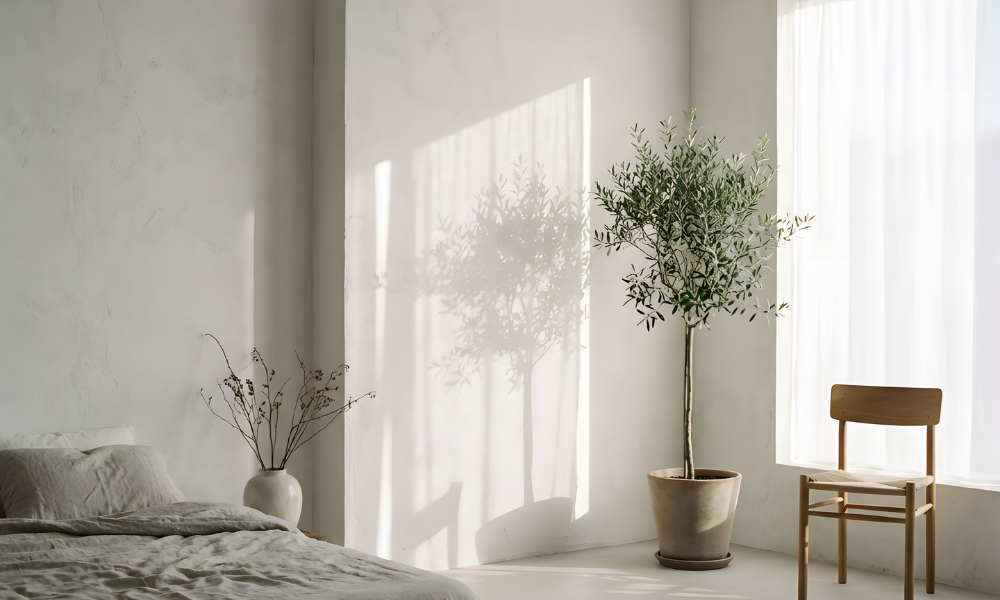
1. Warm Minimalism
Minimalism is still in, but it’s getting a much softer edge. Instead of stark white spaces and hard lines, warm minimalism focuses on simplicity paired with comfort. Homes feel calm and uncluttered, but also inviting and livable. This approach allows spaces to feel spacious without feeling cold or unfinished.
Common examples of warm minimalism include:
-
Soft white, cream, or light beige wall colours
-
Fewer decorative items, but higher-quality pieces
-
Furniture with rounded edges and comfortable proportions
-
Matte or satin finishes instead of high gloss
2. Layered Neutrals & Earthy Palettes
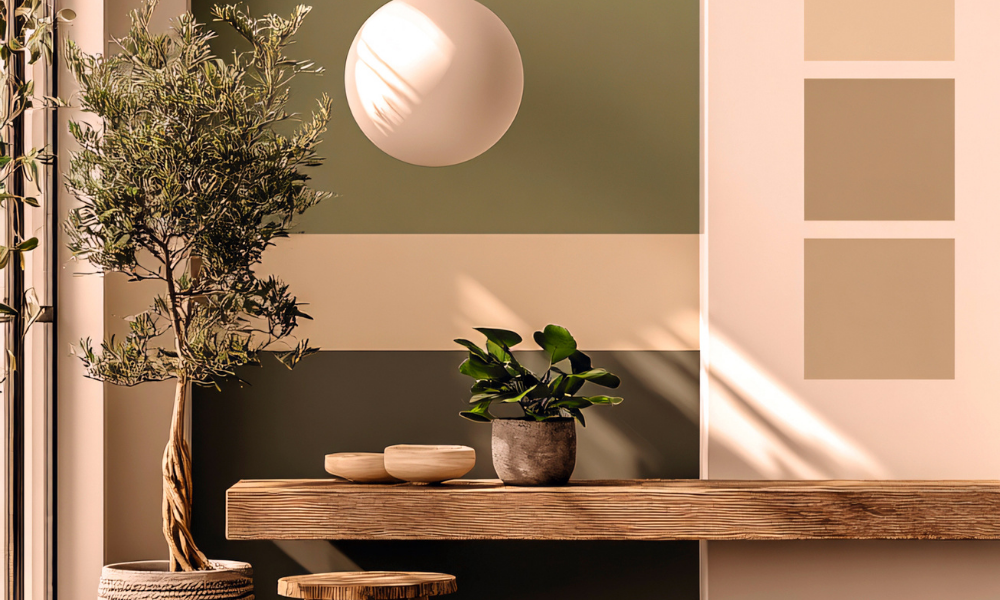
Flat grey interiors are fading out in favour of layered neutrals inspired by nature. In 2026, colour is still subtle, but it has depth. These palettes create warmth and visual interest while remaining neutral enough for resale and long-term appeal.
Professionals are using:
-
Beige, taupe, putty, clay, and soft brown tones
-
Multiple shades of the same colour layered throughout a space
-
Warm whites paired with wood and stone
-
Earth-toned furniture or textiles to add contrast
3. Natural Materials & Organic Texture
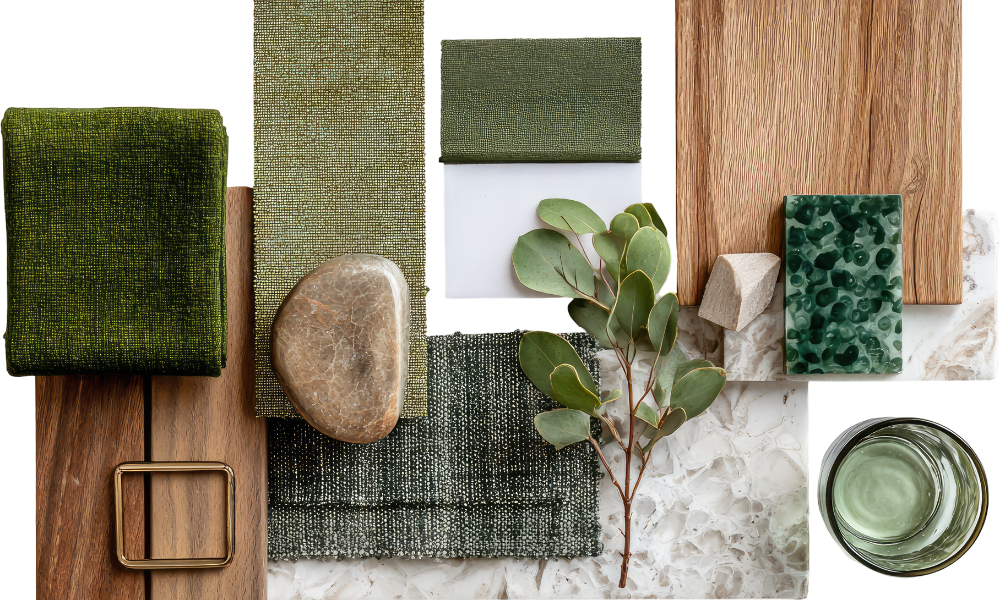
Buyers are gravitating toward homes that feel authentic and grounded. Natural materials and organic textures add warmth and character that manufactured finishes can’t always replicate. These elements help homes feel timeless rather than trendy.
This trend often shows up as:
-
Real wood flooring or wood-look finishes with visible grain
-
Stone or quartz countertops with natural veining
-
Linen, cotton, wool, and jute textiles
-
Textured tile or plaster-style wall finishes
4. Curved Forms & Soft Architecture
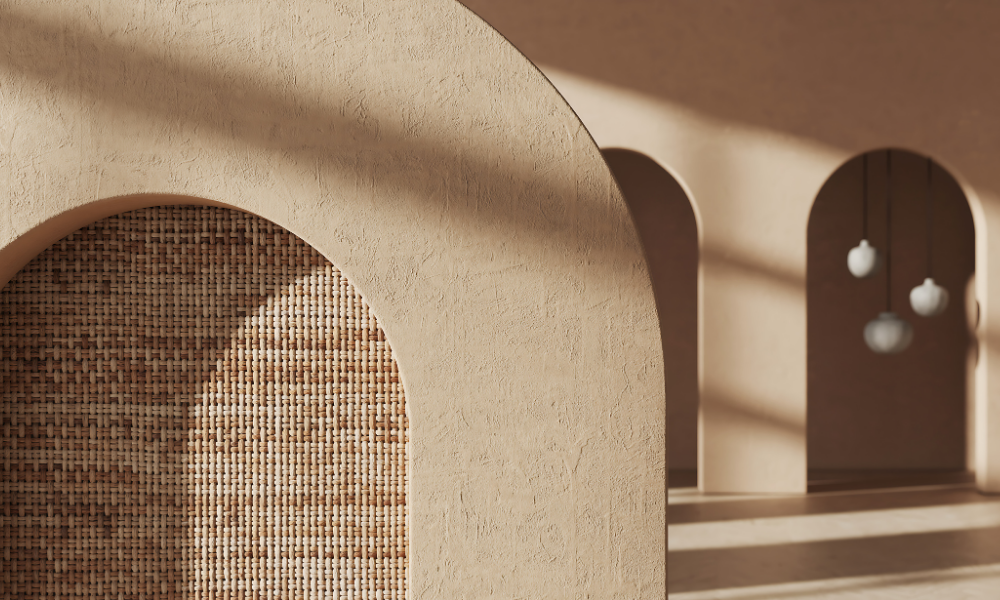
Hard edges are giving way to softer shapes that feel more relaxed and human. Curves add movement and flow to a space, making rooms feel more welcoming and less rigid. This trend works especially well in open-concept homes.
Examples of curved design include:
-
Rounded sofas, chairs, and coffee tables
-
Arched doorways, mirrors, or built-ins
-
Oval or round dining tables
-
Curved kitchen islands or bathroom vanities
5. Quiet Luxury
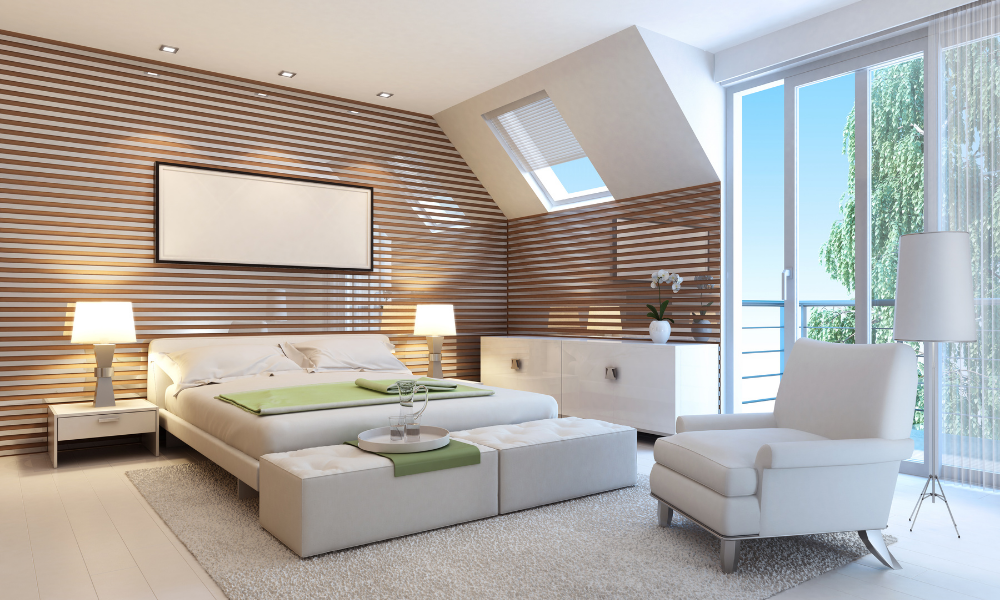
Luxury in 2026 is subtle and understated. Instead of flashy finishes, quiet luxury focuses on quality materials, cohesive design, and thoughtful details. The result is a home that feels elevated without feeling overdone.
Quiet luxury often includes:
-
Neutral colour palettes with gentle contrast
-
High-quality fixtures and hardware
-
Consistent finishes throughout the home
-
Clean, uncluttered surfaces
6. Spa-Inspired Bathrooms & Wellness Spaces
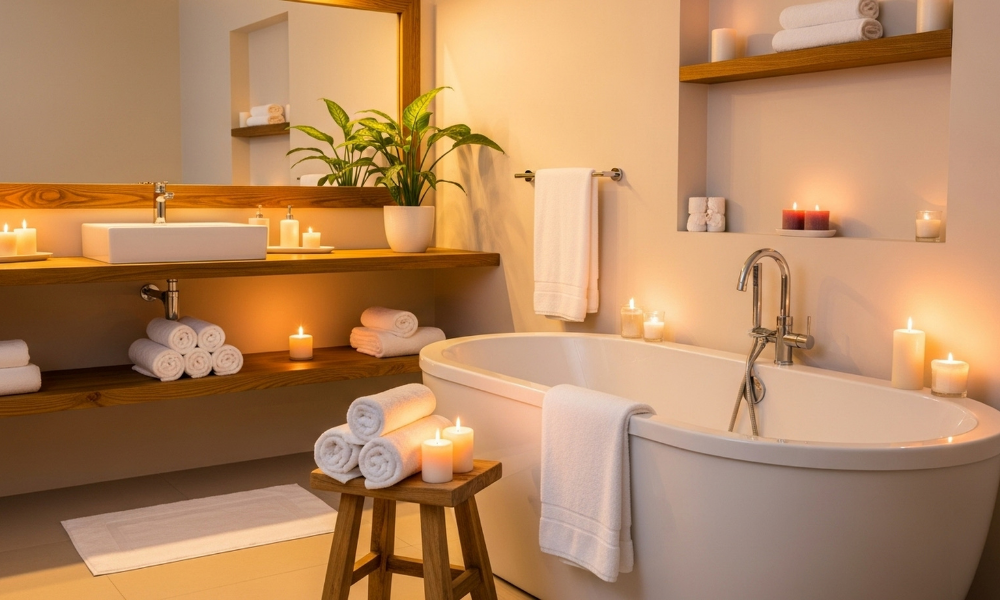
Bathrooms are increasingly designed as personal retreats. Wellness-focused spaces promote relaxation and comfort, turning everyday routines into moments of calm. This trend is especially appealing to buyers looking for long-term comfort.
Popular wellness features include:
-
Walk-in showers with frameless glass
-
Soft, layered lighting instead of single overhead fixtures
-
Floating vanities for an airy feel
-
Heated floors or towel warmers
-
Neutral tile with texture for visual interest
7. Intentional Use of Bold Colour
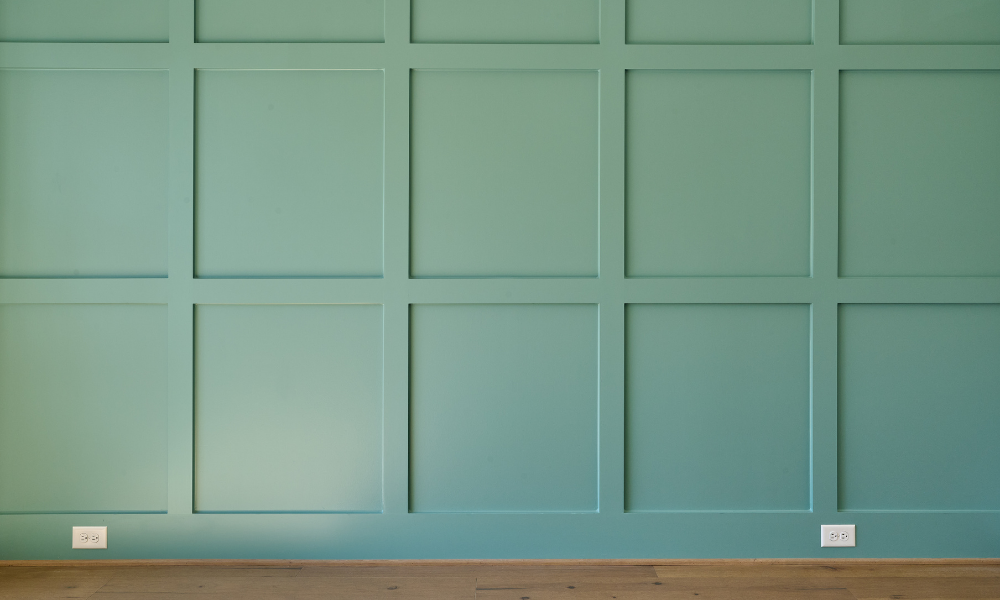
While neutrals dominate overall design, professionals are seeing more confidence in how colour is used. Instead of scattered accents, bold colours are applied intentionally to create memorable moments within a home.
This shows up as:
-
Colour-drenched powder rooms or home offices
-
Deep green, navy, or terracotta feature walls
-
Warm yellow or gold tones for energy and optimism
-
Painted ceilings or trim for subtle drama
8. Seamless Smart Home Integration
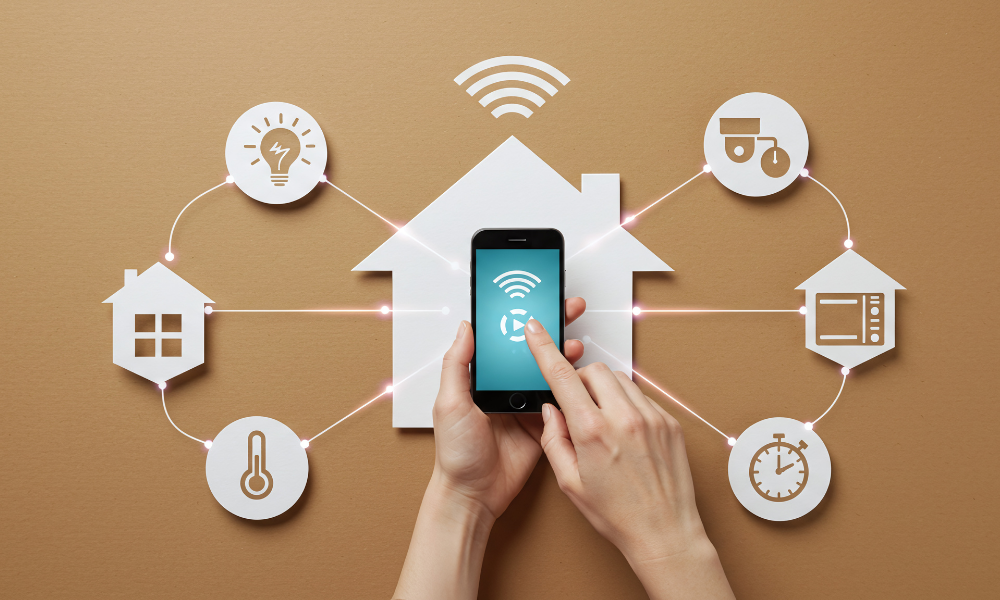
Smart home features are becoming standard rather than optional. In 2026, technology is expected to blend seamlessly into the home, improving convenience without being visually intrusive.
Common smart features include:
-
Smart thermostats and lighting systems
-
App-controlled blinds or garage doors
-
Integrated speakers
-
Smart locks and security systems
9. Artisan Details & Personalization
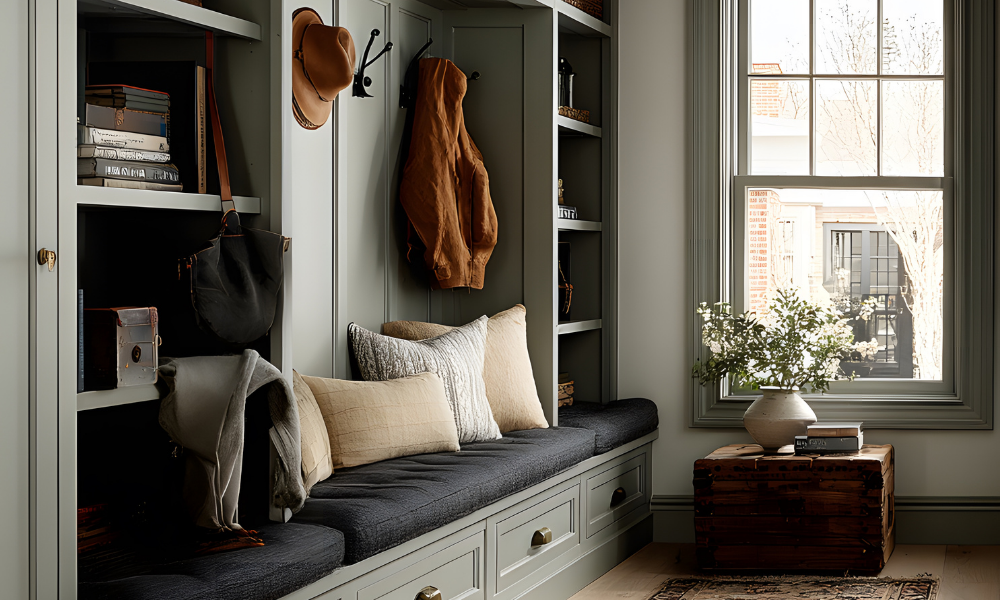
Mass-produced finishes are making room for craftsmanship and individuality. Buyers are drawn to homes that feel unique and thoughtfully curated, rather than identical to every other listing.
Examples of artisan influence include:
-
Custom built-ins or shelving
-
Handmade or textured tile
-
Locally sourced décor or art
-
Vintage or reclaimed materials
10. Cozy Corners & Flexible Spaces
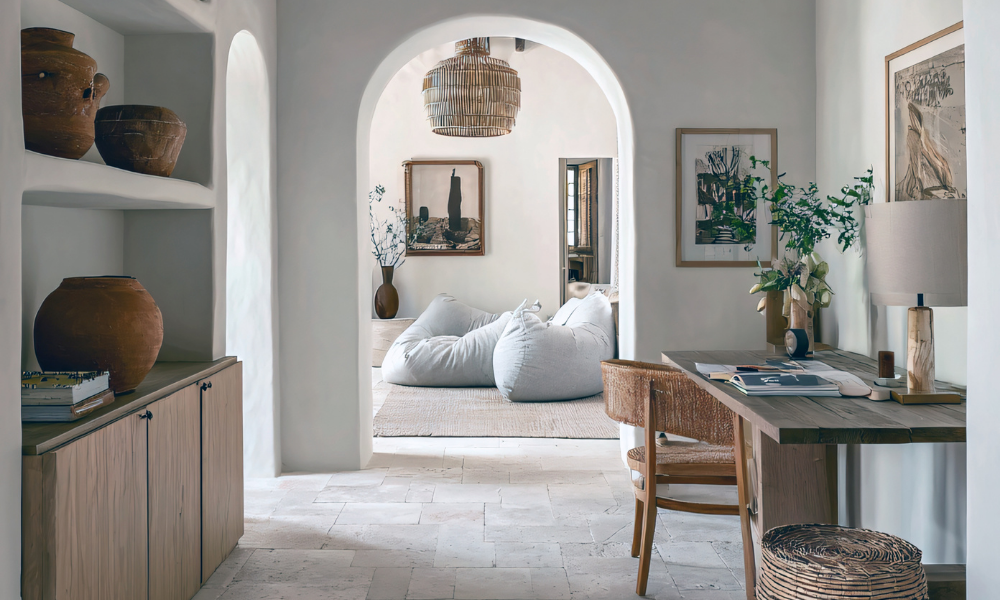
Homes in 2026 are expected to work harder without necessarily getting bigger. Flexible spaces and cozy corners allow homeowners to adapt their space to changing needs and lifestyles.
This trend often includes:
-
Reading nooks or window seats
-
Home office or study corners
-
Hobby or creative spaces
-
Guest rooms that double as offices or gyms
Final Thoughts
The defining theme of 2026 home trends is intention. Buyers are looking for homes that feel warm, functional, and adaptable, with design choices that support real life rather than short-term trends. For homeowners in Brantford, Brant County, and across Ontario, these trends offer a roadmap for making updates that feel current now and valuable in the future.