
Buying a home is one of the biggest financial and emotional decisions most people will ever make, so it’s no surprise that advice gets repeated, misunderstood, and turned into “rules” that aren’t actually true anymore. The problem is, some of those myths can hold buyers back, cause unnecessary stress, or even cost them opportunities.
Let’s clear up some of the most common home buying myths so you can move forward with more confidence.

Myth 1: You need a 20% down payment
This is probably the most common misconception out there. While putting 20% down can help you avoid mortgage insurance, it is not required for most buyers.
In Canada, many buyers purchase homes with as little as 5% down (depending on price), and there are various programs that can help first-time buyers get started sooner than they think. Waiting years to save 20% could actually mean missing out on building equity in the meantime.

Myth 2: You should wait for the “perfect” market
A lot of buyers believe there is a magical moment when prices will drop, interest rates will fall, and inventory will be perfect all at once. In reality, the market rarely aligns that neatly.
The better question is: Does this purchase make sense for you financially and personally right now? Trying to perfectly time the market often leads to missed opportunities, while long-term ownership tends to smooth out short-term fluctuations.
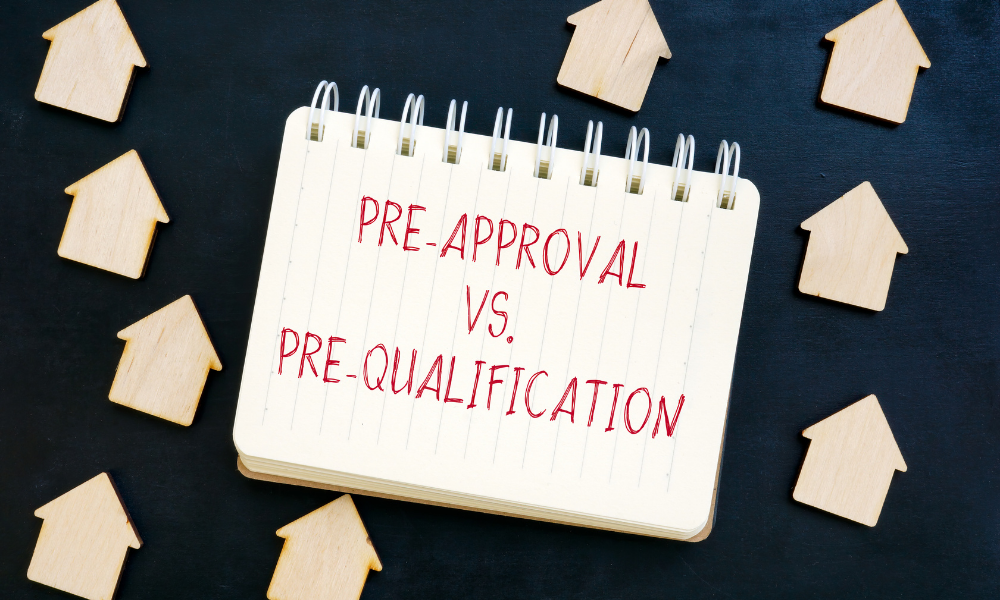
Myth 3: Pre-approval and pre-qualification are the same thing
They are not.
A pre-qualification is a rough estimate based on self-reported information. A pre-approval involves a lender reviewing your actual financial documents and giving you a more reliable borrowing range.
In a competitive situation, a pre-approval carries much more weight and gives you a clearer picture of what you can realistically afford.

Myth 4: The listing price is what the home is worth
The asking price is simply what a seller is hoping to get—it is not necessarily the true market value.
A home’s value is determined by what buyers are actually willing to pay, recent comparable sales, condition, location, and current market conditions. This is why you’ll sometimes see homes sell over asking, under asking, or right at asking depending on demand.

Myth 5: You don’t need a real estate agent in the digital age
With so much information online, it can be tempting to think you can handle everything yourself. But listings are only one part of the process.
A good agent helps you understand pricing, navigate negotiations, identify potential issues, and guide you through paperwork and deadlines. In many cases, buyers don’t pay directly for their agent’s services, making it an added layer of support without extra cost.

Myth 6: A “fixer-upper” always saves you money
On paper, buying a lower-priced home that needs work can look like a great deal. But renovation costs, timelines, permits, and unexpected issues can add up quickly.
Unless you have a clear budget, experienced contractors, and a realistic plan, a fixer-upper can sometimes end up costing more than a move-in-ready home.

Myth 7: Your first offer should always be low
While negotiation is part of the process, starting too low in a competitive market can sometimes mean losing the home altogether.
A strong offer strategy depends on market conditions, comparable sales, and seller expectations. The goal isn’t just to “win a deal”—it’s to secure the right home at the right value.
Final Thoughts
The home buying process doesn’t have to be confusing, but it does require separating fact from outdated advice. The more informed you are, the more confident your decisions will be.
If you’re thinking about buying and want clarity on what applies to your situation, connecting with a local real estate professional can help you cut through the noise and focus on what actually matters in today’s market.
Don’t let outdated myths hold you back from your next move. If you have questions about buying a home or want personalized advice, give us a call or send a message—we’d love to help you get started. Send us a message below!