
When we think about what makes a property special, it's often the features that create a connection between home and nature. One of our favourite aspects of 12 Spencer Street in Paris is its beautiful perennial gardens, which not only add colour and character to the property but also provide valuable habitat for local pollinators.
Pollinator gardens have become increasingly popular across Brantford and Brant County, and for good reason. They offer homeowners the opportunity to create beautiful outdoor spaces while supporting the bees, butterflies, hummingbirds, and other beneficial insects that help keep our ecosystems healthy.
Why Are Pollinator Plants Important?
Pollinator plants are much more than a beautiful addition to the landscape—they provide essential food and habitat for pollinating species throughout the growing season.
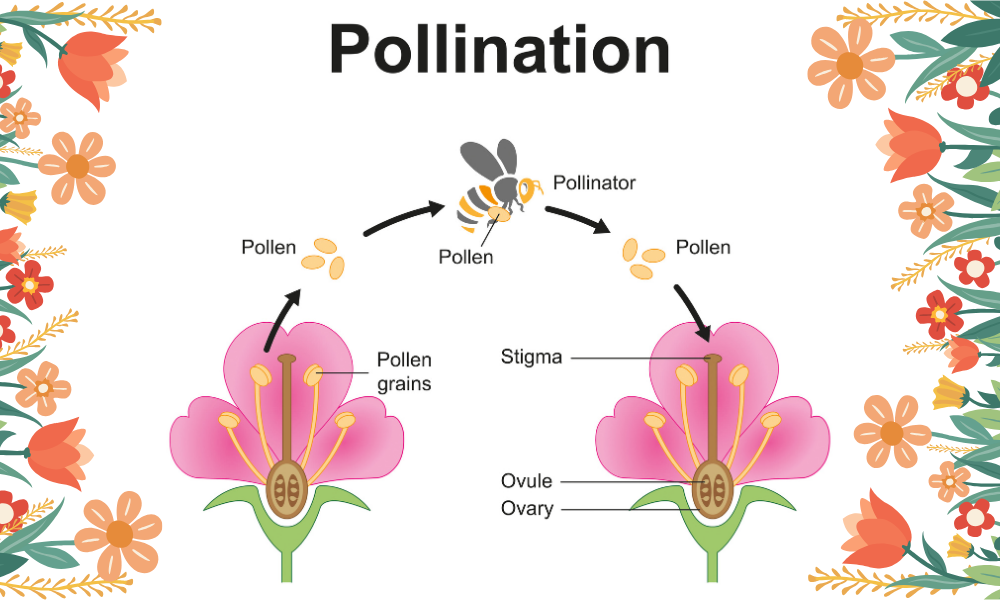
Bees, butterflies, hummingbirds, moths, and other pollinators play a critical role in the reproduction of many flowering plants by transferring pollen between blooms. This process helps plants produce seeds, fruits, and new growth. In fact, many of the fruits and vegetables we enjoy rely on pollinators to thrive.
Beyond supporting food production, pollinators help maintain healthy ecosystems by contributing to diverse plant communities that provide food and shelter for birds, wildlife, and beneficial insects. Healthy plant communities also help improve soil health, support biodiversity, and contribute to more resilient natural environments.
Unfortunately, pollinator populations have faced increasing challenges in recent years due to habitat loss, pesticide exposure, disease, and climate-related pressures. The good news is that even small pollinator-friendly gardens can make a meaningful difference by providing nectar, pollen, shelter, and nesting opportunities.
Benefits of Adding a Pollinator Garden
Creating a pollinator garden offers benefits that extend far beyond helping wildlife.
Support Local Biodiversity
Pollinator gardens provide food and habitat for native species while helping strengthen local ecosystems.
Enjoy More Colour and Seasonal Interest
By choosing plants that bloom from spring through fall, homeowners can enjoy vibrant gardens for much of the year.
Attract Butterflies and Hummingbirds
Many pollinator plants naturally attract some of the most beautiful visitors to the garden.
Low-Maintenance Landscaping
Many native plants are well adapted to Ontario's climate and often require less watering and maintenance once established.
Help Your Entire Garden Thrive
Pollinators don't just visit pollinator plants—they also help support nearby flowers, fruit trees, vegetable gardens, and other landscape plants.
The Best Pollinator Plants for Brantford & Brant County
One of the keys to a successful pollinator garden is ensuring there are blooms available throughout the growing season.
Spring Bloomers
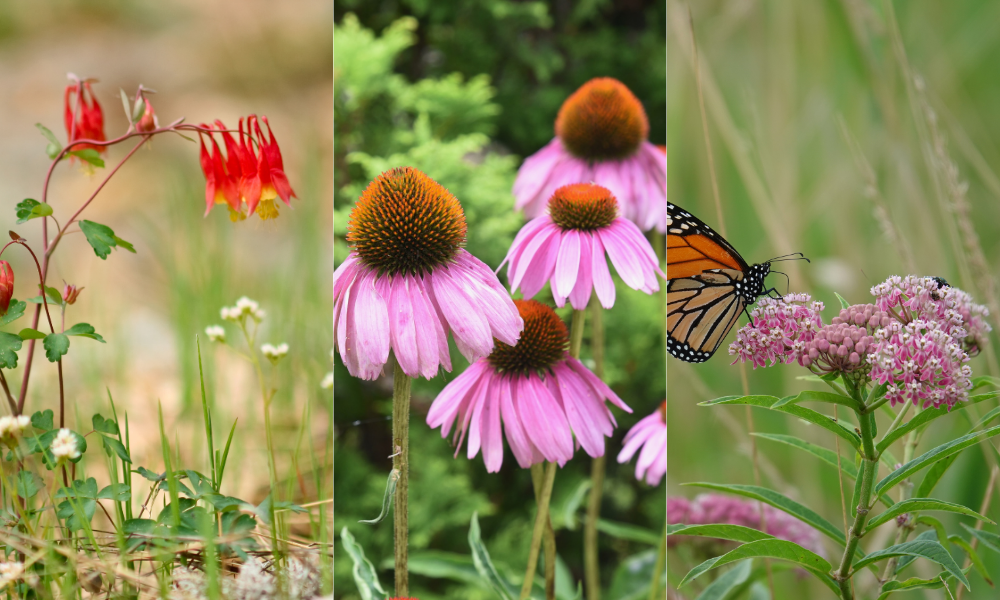
Canadian Columbine (Aquilegia canadensis)
One of Ontario's earliest native wildflowers, Canadian Columbine provides nectar for early-emerging bees and migrating hummingbirds when food sources can be limited.
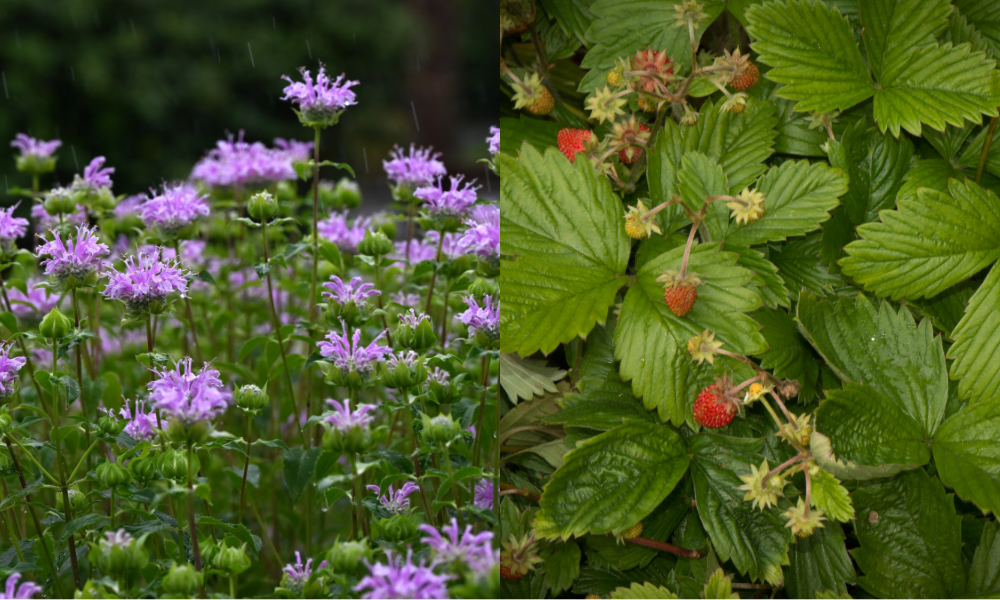
Wild Strawberry (Fragaria virginiana)
This native ground cover produces delicate white flowers that attract small native bees and other beneficial insects. It also offers edible fruit enjoyed by wildlife and gardeners alike.
Summer Bloomers
Wild Bergamot (Monarda fistulosa)
Also known as Bee Balm, this fragrant native perennial is a favourite among bumblebees, butterflies, and hummingbirds. Its lavender-pink blooms are a standout in any garden.
Purple Coneflower (Echinacea purpurea)
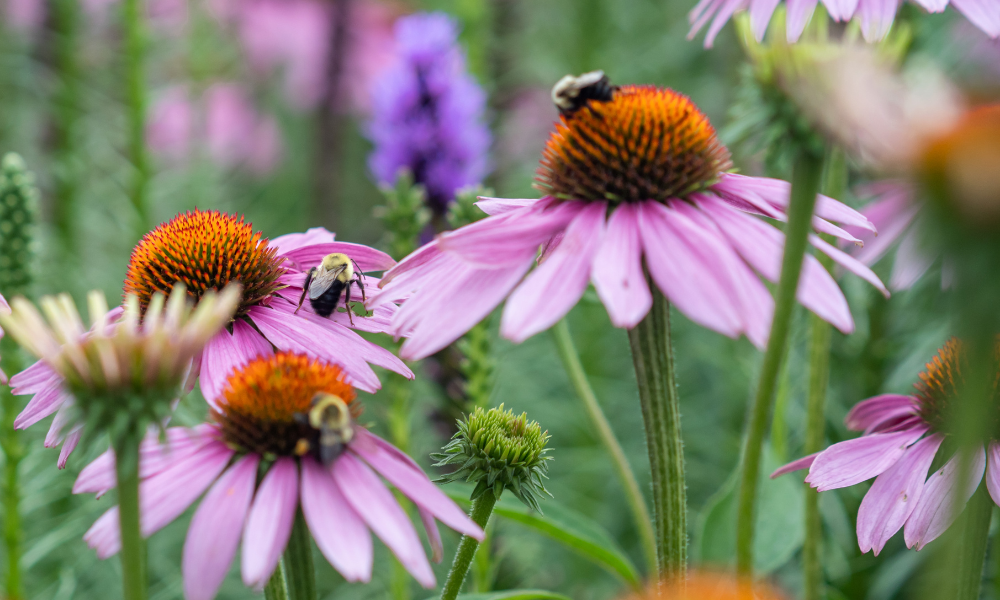
A pollinator garden classic, Purple Coneflower attracts butterflies and native bees throughout the summer while its seed heads provide food for birds later in the season.
Swamp Milkweed (Asclepias incarnata)
Perhaps one of the most important pollinator plants, Swamp Milkweed serves as a host plant for Monarch butterflies, providing a place for them to lay eggs and for caterpillars to feed.
Fall Bloomers
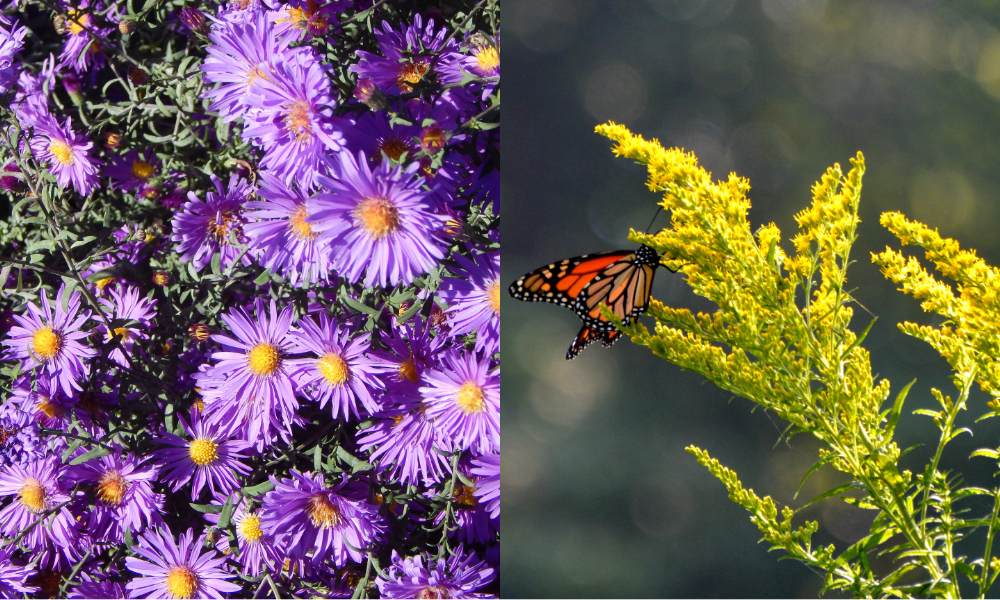
New England Aster (Symphyotrichum novae-angliae)
This late-season bloomer provides valuable nectar for bees and butterflies at a time when many other flowers have finished blooming.
Goldenrod (Solidago species)
Despite its reputation, Goldenrod is not a major cause of seasonal allergies. Its bright yellow flowers are one of the most important food sources for pollinators preparing for winter and migrating Monarch butterflies.
How to Start Your Own Pollinator Garden
Creating a pollinator-friendly landscape doesn't require a large property or extensive gardening experience.
Here are a few simple ways to get started:
• Choose native plants whenever possible.
• Include flowers that bloom in spring, summer, and fall.
• Plant in clusters to make flowers easier for pollinators to find.
• Limit or avoid pesticide use.
• Leave some natural areas for nesting and overwintering insects.
• Add a shallow water source for pollinators and birds.
• Allow seed heads and stems to remain through winter to provide habitat.
Even a small garden bed can become an important stop for pollinators moving through the community.
A Beautiful Example at 12 Spencer Street, Paris Ontario
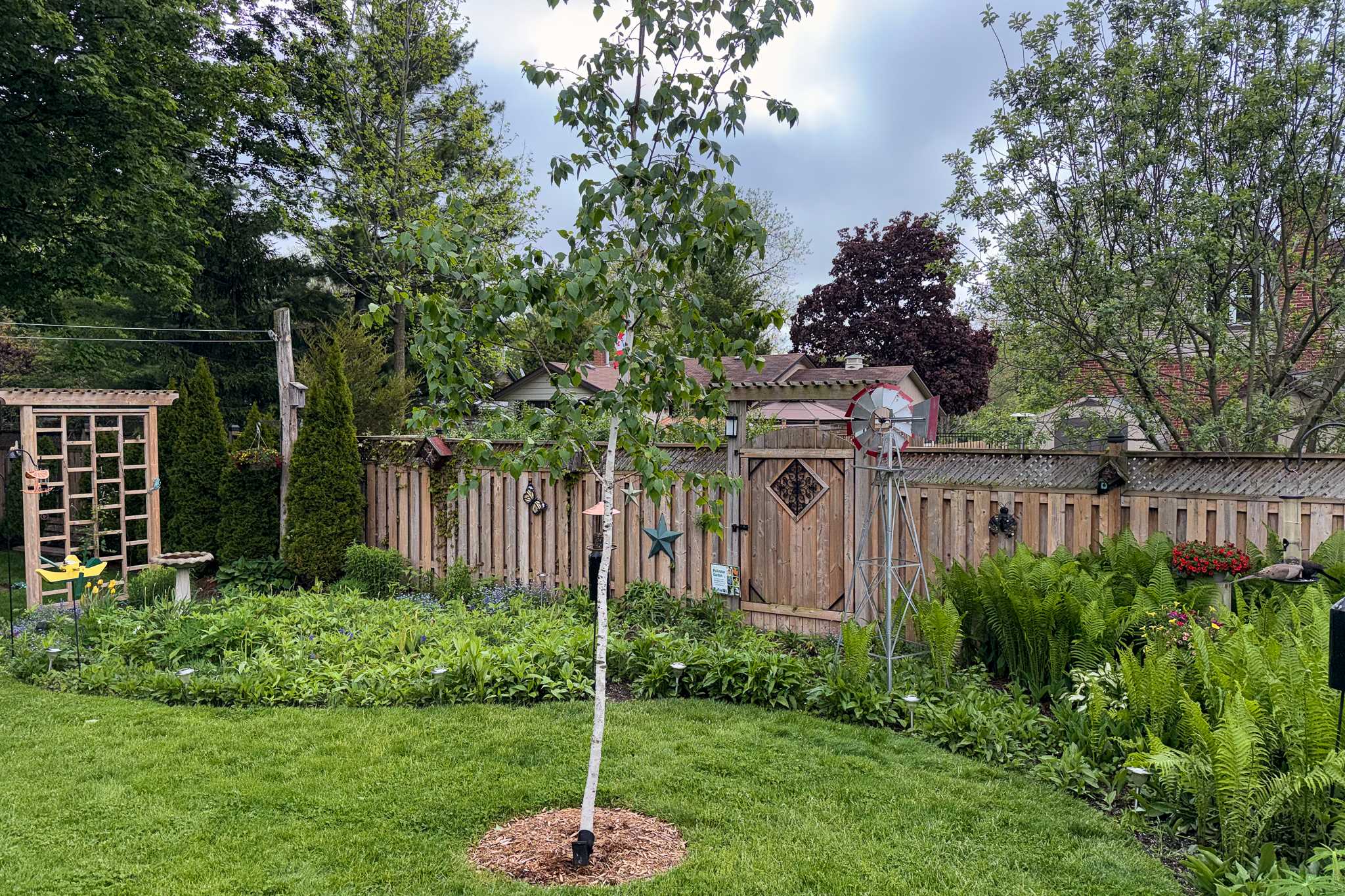
The mature perennial gardens at 12 Spencer Street demonstrate how a landscape can be both beautiful and environmentally beneficial. The thoughtfully planted outdoor spaces create a peaceful setting for homeowners while providing valuable food and habitat for pollinators throughout the growing season.
It's a wonderful reminder that the gardens we create around our homes can have a positive impact far beyond our property lines. Whether you're planting a single patch of milkweed or designing an entire pollinator garden, every flower contributes to a healthier, more vibrant Brant County.